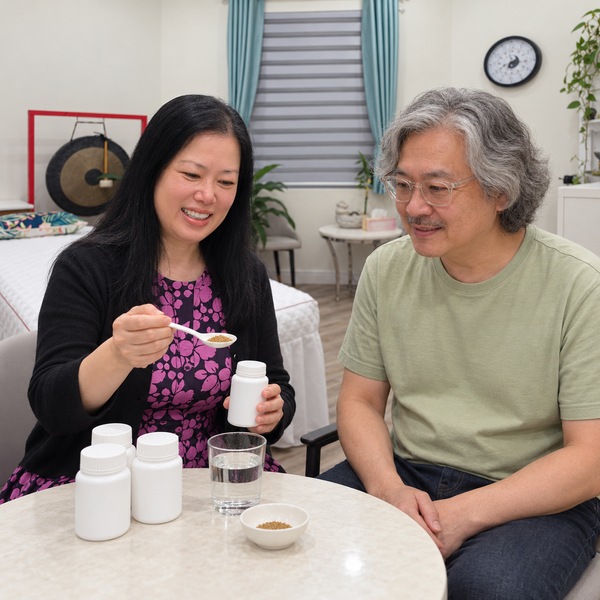

When you are living with everyday aches, small daily habits matter. This article looks at fermented foods, how to add them gently, and how Chinese medicine thinks about digestion.
People who live with niggling aches often find that their whole routine shifts: less movement on some days, irregular meals, poorer sleep. Food is one of the everyday basics that is easy to let slide. At our clinic, with rooms in Lane Cove and Freshwater, we like to talk about simple, sustainable habits that support general wellbeing.
Your digestive system hosts an enormous community of bacteria. Research programs such as the Human Microbiome Project have mapped them, and scientists continue to explore how these microbes relate to digestion, immunity and overall health. Factors such as diet, stress and courses of antibiotics can all influence that community. Much remains unknown, and studies on particular foods show mixed results.
Fermented foods are made by letting bacteria or yeasts transform the natural sugars in food. Many contain live microbes, though some processed versions do not. Familiar examples include yogurt, kefir, sauerkraut, kimchi and tempeh.
Anyone taking regular medication, including medicines for pain or inflammation, or living with a medical condition, should check with their GP or pharmacist before changing their diet. A dietitian can also help you plan meals that suit you.
In traditional Chinese medicine (TCM) theory, digestion is the source of Qi, the energy that is said to keep the body moving and warm. Traditionally, regular warm meals are favoured. Some people use acupuncture and herbal medicine as a complement to their medical care, alongside everyday habits like eating well.
Copyright© 2002-2026 visuallink© SaaS - Web Hosted Solutions, Design and Maintenance by Visual Link IT Pty Ltd - Software Solutions

Please Login or Sign up to be able to comment