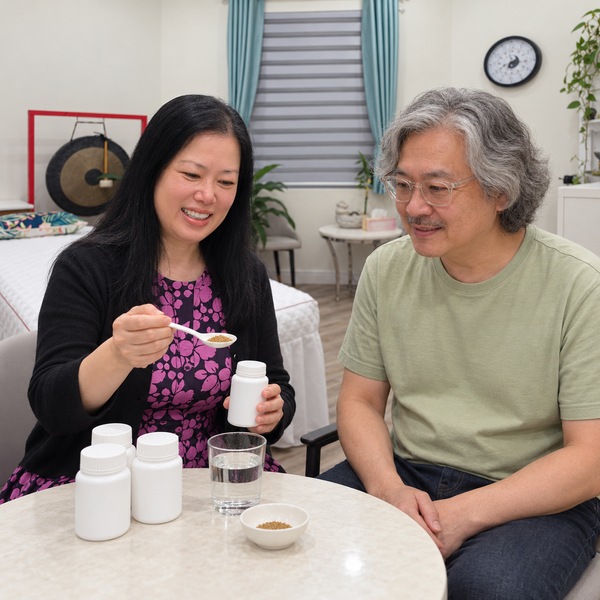
The Lane Cove rooms are at 2 Austin Street, directly opposite the Lane Cove Library and a few metres from Longueville Road. If you are coming from the village it is a walk of two or three minutes, and the parking behind the library is the easiest option in the middle of the day.
Lane Cove sends a particular mix of problems through the door. There are the desk-and-commute necks and low backs from St Leonards and the city, the shoulders and elbows of a suburb that plays a lot of tennis, and the knees and Achilles tendons that come with living on a hillside — the stairs down to Tambourine Bay and the streets off Burns Bay Road are their own kind of training load. Lane Cove also has a lot of people in their thirties and forties carrying small children, which is its own demand on a back.
A first appointment is mostly questions and movement testing: where the pain is, what makes it worse, what it stops you doing, and how it has behaved over weeks rather than days. From there you should leave knowing what is proposed, roughly how long it is expected to take, and what would mean changing the plan.
Worth bringing: any imaging or specialist letters you already have, a list of medications, and the shoes you actually walk or train in. If the pain is new and severe, follows a significant fall, or comes with numbness, weakness, fever or any change in bladder or bowel control, see a doctor first — that is a medical assessment, not a treatment question.
The nearest alternative if Lane Cove does not suit you is the Freshwater side, about 14 kilometres away across the Spit.
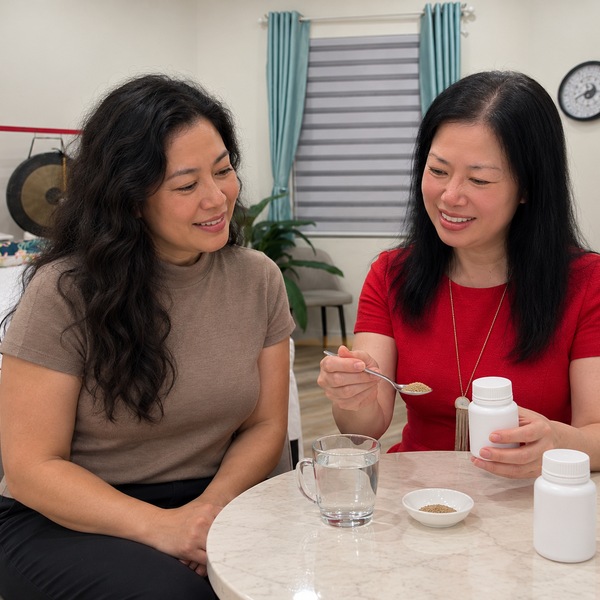
Packaging and appearance do not tell you whether a herbal product suits you. Learn what is in your granule bottle, keep its label and written directions, and ask when anything is unclear.
If you are exploring herbal options alongside other ways of managing aches and stiffness, you may notice products sold in many forms, from capsules to powders to liquids. None of those appearances tells you whether a product suits you. What counts is knowing exactly what you have and how to use it.
Dr Christine Shen, Acupuncturist, provides herbal prescriptions in granule form, packed in bottles that each carry written directions for the person concerned. An attractive label or a product that looks like one you have used before is not the deciding factor. The useful questions are what the bottle contains, how it is meant to be taken and whether it fits your health, your medicines and your reasons for seeking care.
Ask Christine to go through the measuring and storage directions with you, and agree a date to look at the plan again together. Check whether it should be taken with food and what happens if a dose is forgotten. If you take medicines for pain, blood pressure, diabetes or mood, mention them so possible interactions can be considered. If any part of the instructions is unclear, ask before the first dose rather than borrowing directions from a different product.
Leave the granules in their original labelled bottle. Tipping them into an unmarked jar or a weekly pill organiser can lead to mix-ups and makes details harder to check later, particularly for older adults juggling several medicines. If a family member helps with your medicines, make sure they know what the herbal product is and where its directions are kept.
If a prescription changes or a new supplement joins your routine, tell Christine and look at the herbal plan again. Advice given earlier may no longer fit once your circumstances shift. When a new symptom appears, ask for guidance rather than adjusting the amount yourself, and let your pharmacist know about the herbal product as well.
For visits to the Lane Cove clinic, packing every product you take into one bag, still in its packaging, is often quicker than writing a list and makes overlaps or missing details easier to spot.
Copyright© 2002-2026 visuallink© SaaS - Web Hosted Solutions, Design and Maintenance by Visual Link IT Pty Ltd - Software Solutions

Please Login or Sign up to be able to comment