
If you have heel pain that is worst with your first steps in the morning and has not eased with the usual advice, you may be asking whether acupuncture is worth discussing. A trial published in February 2026 found that more people reported meaningful pain relief after four weeks of acupuncture than after waiting with no treatment. Because there was no sham treatment, the study cannot tell us how much of that was due to the needling itself.
Researchers from several hospitals and universities in China ran a randomised trial of acupuncture for chronic plantar fasciitis, a common cause of heel pain, in people whose condition had not responded to other care. It was published online on 17 February 2026 in Complementary Therapies in Medicine.
A total of 120 people were randomly placed into three groups at a ratio of 2:1:1. Sixty received high-intensity acupuncture, thirty received low-intensity acupuncture and thirty were put on a waitlist, meaning they received no treatment during the main study period. The main question was how many people in the two acupuncture groups combined, compared with the waitlist, reached a responder level at week four, defined as at least a 50% drop in their worst pain. The researchers also checked responders at weeks 8 and 16. Of the 120 people, 109 (90.8%) completed the trial.
At week four, 56.7% of the combined acupuncture groups were responders, compared with 33.3% of the waitlist group. That is a difference of 23.3 percentage points (95% confidence interval 3.6 to 43.1; P = 0.02). Put another way, a little over half of the people who had acupuncture had at least halved their worst pain, compared with about one in three of those who waited.
Notice that a third of the waitlist group also reached that level without treatment. Pain from conditions like this fluctuates, and some people improve over time or with their own self-care, which is one reason a comparison group matters.
The authors reported a similar pattern through week 16. When the two acupuncture groups were looked at separately, the picture differed. At week 16, 76.7% of the high-intensity group were responders compared with 36.7% of the waitlist group (difference 40.0 percentage points; 95% confidence interval 19.7 to 60.3). For the low-intensity group, the difference from the waitlist was 20.0 percentage points, but it was not statistically significant (95% confidence interval minus 4.7 to 44.7; P = 0.11). The authors describe this as a graded response to acupuncture intensity. The summary does not report a direct head-to-head test of high against low intensity, so that interpretation should be treated carefully.
The trial suggests that, among people with long-standing heel pain that had not settled, those who received acupuncture were more likely to report a large pain reduction at four weeks than those who received nothing. It does not show that acupuncture repairs the tissue under the heel, that it is better than other heel pain treatments, or that results last beyond the 16 weeks reported.
The most important limit is the comparison group. People on a waitlist know they are untreated, whereas people having acupuncture receive time, attention and an expectation of benefit. Pain is a subjective experience, and expectation alone can change how people report it. Without a sham acupuncture group, the study cannot separate the effect of the needles from the effects of attention and expectation. This does not mean the benefit was not real to the people who felt it. It means the study cannot say why it happened.
Other reasons the findings may not apply to you:
Heel pain that is severe, follows an injury, comes with numbness or swelling, or does not improve should be assessed by a doctor or physiotherapist, as other conditions can feel similar. This article is general education, not advice about any treatment.
Source: Efficacy of acupuncture for chronic recalcitrant plantar fasciitis: A randomized trial DOI: 10.1016/j.ctim.2026.103329
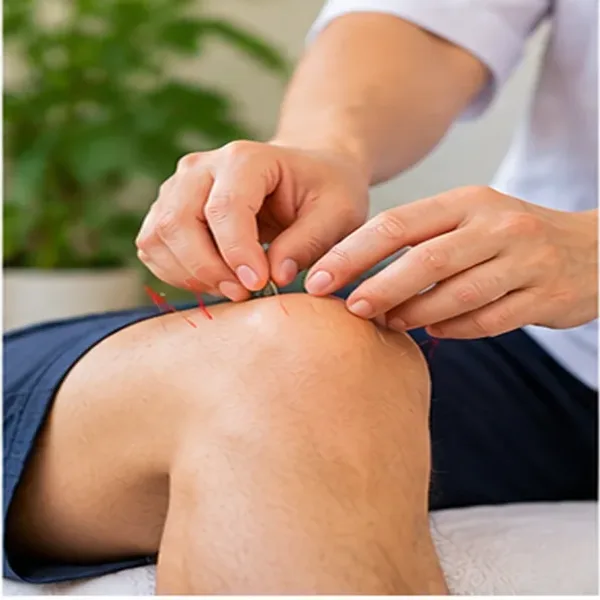
AI-generated editorial illustration. The scene is fictional and does not depict a study participant or demonstrate treatment effectiveness. This article summarises published research in our own words and is general information, not personal health advice.

评论已关闭